
Career Paths & Advancement for Research Infrastructure Talent
There has been ongoing discourse on the idea of a ‘third stream’ within the Australian higher education workforce profile. The need for a third stream correlates with the rise of the ‘blended professional’: staff roles that span the characteristics of professional and academic domains. When applied to research infrastructure, the concept of the ‘blended professional’ has direct relevance. A typical research infrastructure specialist (e.g., microscopist, bioinformatician, software developer, process engineer, etc) not only has to have direct experience in applying deep technical know-how to research projects, but must also possess professional attributes of customer service, business development and general commercial acumen, thus blurring the lines of the ‘professional’ and ‘academic’ roles as stipulated in enterprise agreements of most Australian research institutions. The sector has not resolved the issue of how best to support the career progression of such ‘blended professionals’, which impacts our ability to recruit and retain the best.
After Emeritus Professor Joe Shapter further outlines the context, the session speakers will present institutional responses and further insights garnered from international efforts in designing fit-for-purpose career frameworks for research infrastructure talent.
Jamie will outline the Research Infrastructure Specialist stream at QUT and his own lived experience as an early adopter of RIS.
Lauren will present the recent work and report findings of the 'Global Insights: Technical Professionals in Higher Education and Research'.
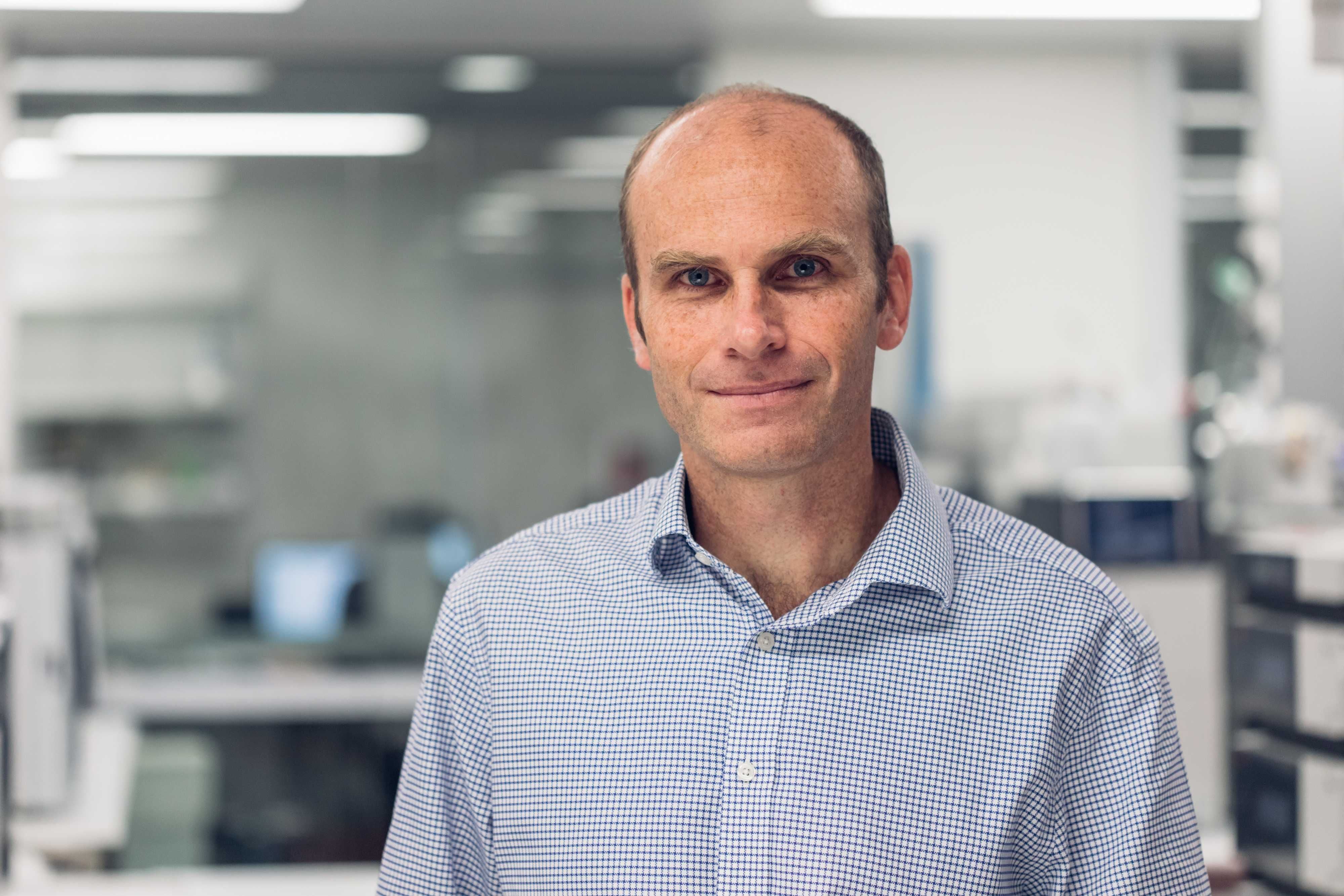
A/Professor Jamie Riches has spent the last 25 years working in core facilities in Australia and overseas, in both professional and academic roles, and is familiar with the problems posed by each stream for core facility staff. He’s currently a Research Infrastructure Specialist at QUT, in a position that incorporates elements of both traditional streams and provides a realistic mechanism for career progression. Jamie is particularly interested in helping to develop suitable career pathways for core facility staff and has been involved in this work nationally through Microscopy Australia and internationally with groups such as Global BioImaging.

Dr Lauren Hyde is Director of Research Infrastructure at The University of Melbourne. She has extensive experience managing research infrastructure and materials characterisation facilities across Australia, including as the founding Manager of the Materials Characterisation and Fabrication Platform at the University of Melbourne.
Lauren has more than 15 years’ experience in research infrastructure operations and strategy, with expertise spanning operational leadership, strategic partnerships, funding development, and research infrastructure workforce development. She has led diverse portfolios and collaborative initiatives that strengthen research capability and support long-term infrastructure impact across the sector.
She is passionate about staff development, collaborative partnerships, and fostering environments that recognise the critical contribution of research infrastructure professionals to research excellence and innovation.